The Lost Instruments of Communication
Something curious is happening in many meeting rooms, conference halls, classrooms and boardrooms.
Presentations are becoming flatter.
Conversations more mechanical.
Words are delivered, but the lifeblood of communication is slowly disappearing.
Feeling.
Expression.
Humour.
Creativity.
The strange thing is that we have never had more access to language. Technology can now generate speeches, structure arguments, produce beautifully written paragraphs and even suggest the perfect sentence.
Yet many presentations feel oddly… lifeless.
Because communication has never been only about words.
It is an art.
To move an audience.
To motivate people.
To share an idea that makes others sit up and think.
And for that we possess extraordinary instruments.
The human voice alone is capable of remarkable variety: changing speed, tone, rhythm, accent, volume and silence. A single sentence can whisper intimacy or command a room.
Then there is the body.
Hands and arms that give shape to ideas.
Facial expressions that carry meaning long before a word is spoken.
Movement across a room or stage that can add clarity, tension, humour or emphasis.
Taken together, these are the instruments of human communication.
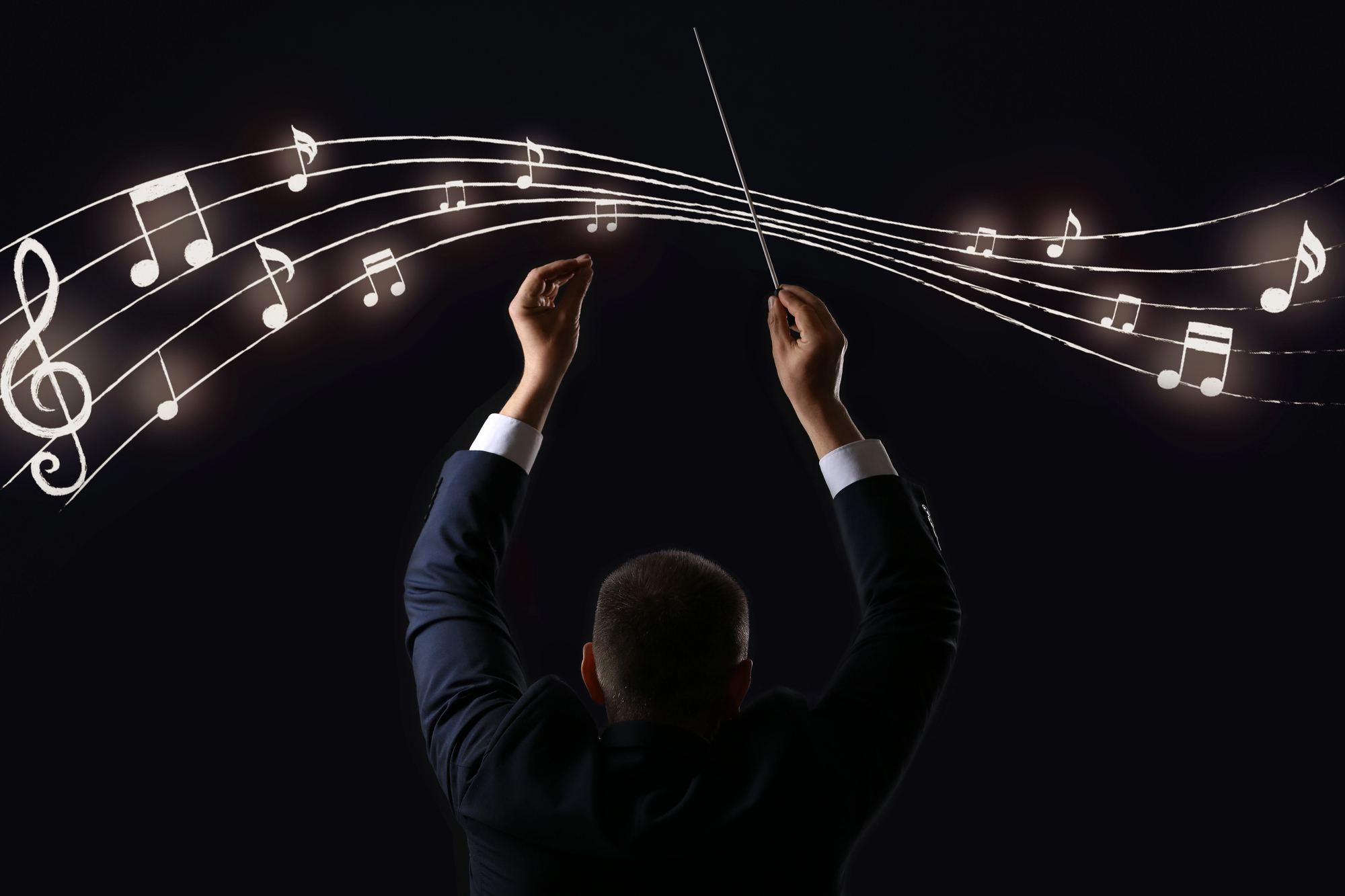
We are, quite literally, walking orchestras.
And yet many of these instruments remain silent.
Unused.
Underplayed.
Forgotten.
In my opinion, learning to play these instruments creatively changes everything.
A speaker becomes more aware, not only of their words, but of rhythm, energy, connection and audience response. Communication becomes multi-layered. Alive.
And the most beautiful part is this: although we all possess these instruments, they never sound the same.
Every voice is different.
Every gesture has its own rhythm.
Every personality brings its own colour.
Which means authentic speaking is not about copying someone else’s style.
It is about discovering the unique sound of your own.
Over the years I have run many forms of corporate communication training.
Again and again I see the same first reaction.
Embarrassment.
Many people instinctively hold back. They hide behind slides, read from notes, keep their gestures small and their voices safe. They worry about looking foolish.
In truth, most have simply never been given permission to experiment.
To explore their voice.
To step beyond their comfort zone.
To discover the range of their communication.
When people begin to try new things -adjusting pace, adding humour, telling a story, using their hands more freely, moving across the space- something remarkable happens.
It is as if a door opens to an entirely new universe.
The same pattern appears when working with younger people.
Embarrassment shows up differently there: in giggling, making fun of someone, or the quick escape line:
“I don’t know.”
As a pitch and communication mentor in a tech hub in Málaga, I saw this often:
Talented entrepreneurs with brilliant ideas would step up to present… and then proceed to read their pitch directly from the PowerPoint slide behind them.
The result was technically correct, but humanly absent.
The presentation followed the rules, yet none of the human instruments were being played.
No story.
No rhythm.
No presence.
Just information.
And information alone rarely moves people.
Which raises an interesting thought.
How amazing would it be if learning to use our full communication instrument became a normal part of education and professional development?
If young people were encouraged to experiment with voice, storytelling, humour and debate.
If managers learned how to bring warmth, presence and authenticity into their leadership communication.
If speaking was treated not as a frightening obligation, but as a creative skill.
Because when we rediscover these instruments, something powerful happens.
Ideas travel further.
People listen.
Energy enters the room.
A message is no longer simply delivered — it is felt.
And in a time where so much communication is becoming automated, efficient and perfectly structured, the real power may lie in something far older and far simpler.
The Human Voice.
Kirsten de Bouter Shillam
Part of my ongoing exploration through The Human Voice Project.